Westside is committed to partnering with nonprofits, community groups, and the City of Charleston to invest in tree planting for our community. We believe in the right tree, right place concept championed by our partners. This helps us avoid unnecessary powerline engagement, reduces leaf litter that clogs our storm drains, and ensures no unintended damage to underground infrastructure like water pipes and utilities.
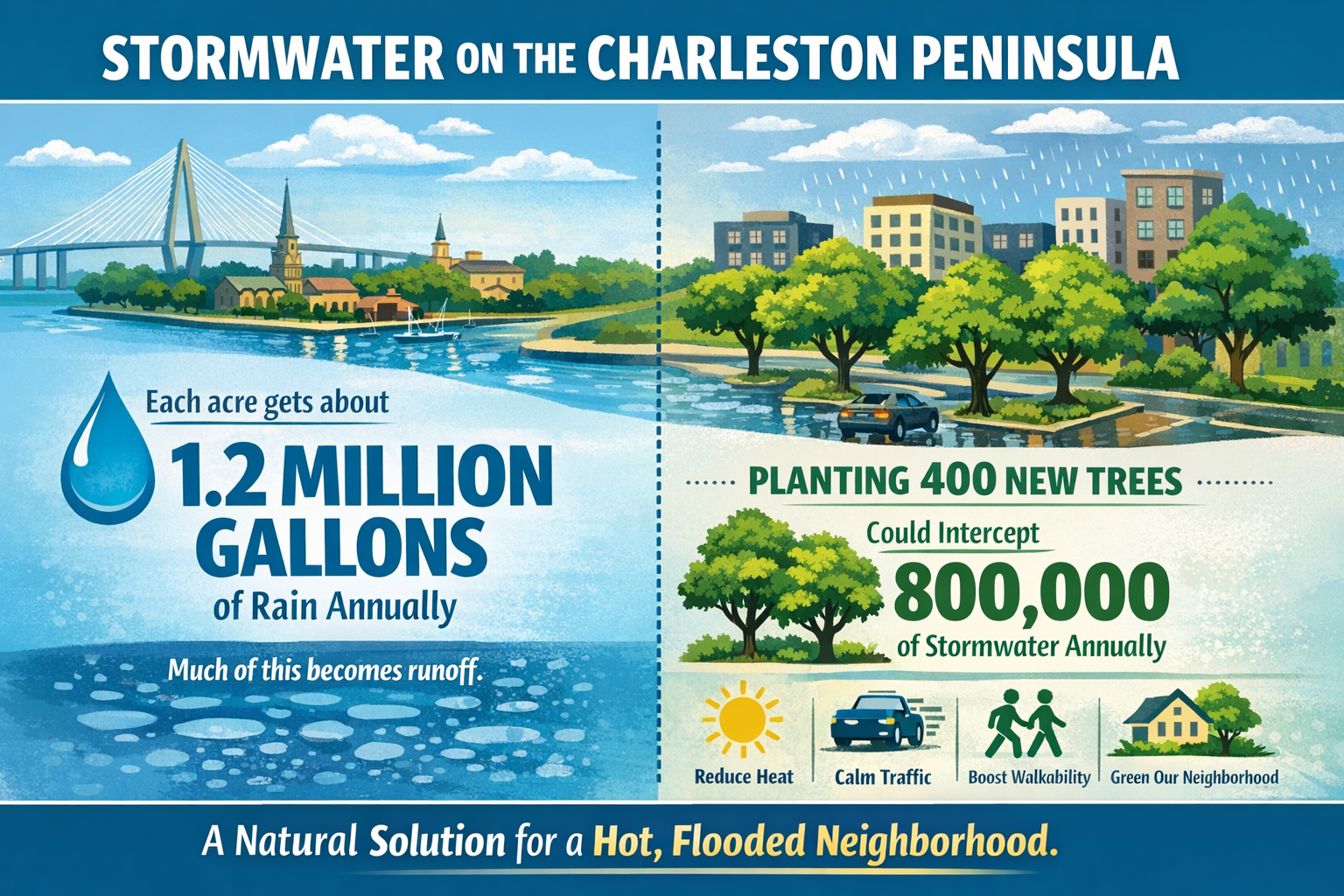
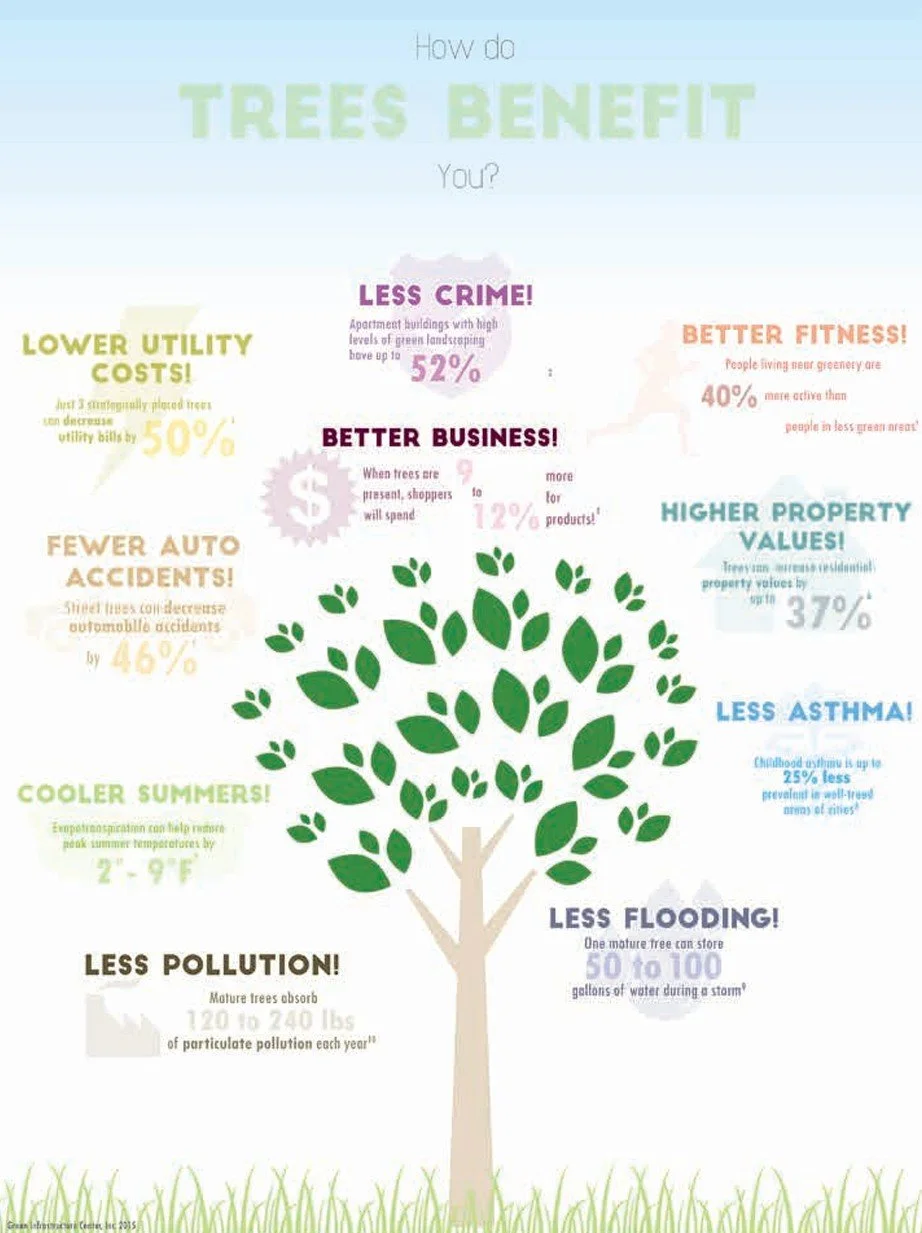
Westside has approximately 400 public tree wells available. One tree can absorb up to 2,000 gallons of water per year in addition to allowing water to trickle from the leaves during storms to offset flash flooding as we see in tree baren locations.
Our tree committee is hard at work fundraising, planning, training, and preparing for the fall planting season. If you would like to join them please contact us through our contact form and someone will be in touch.
Westside Trees
- Join Our Tree Committee -
Right Tree, Right Place -
- Join Our Tree Committee - Right Tree, Right Place -
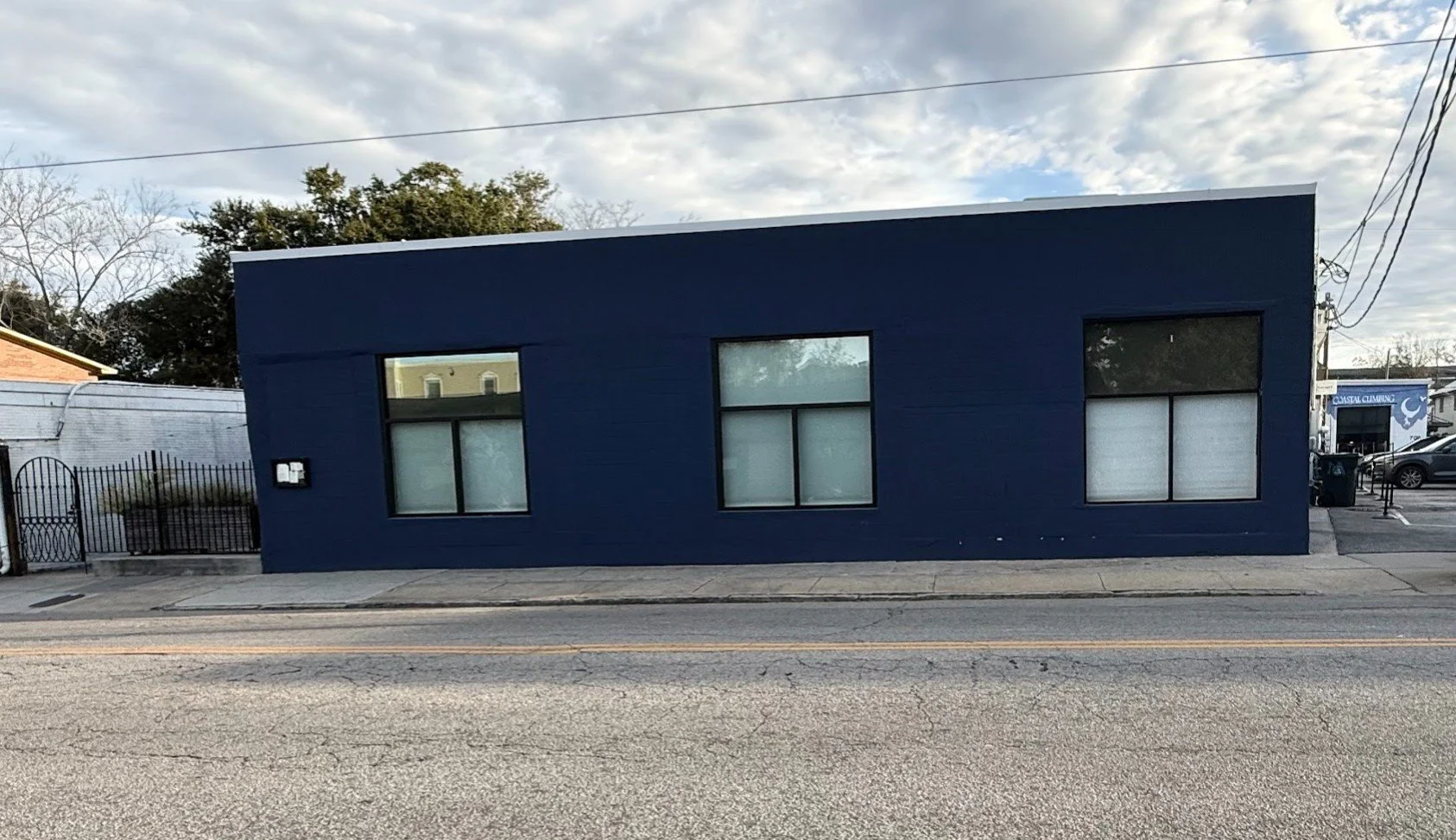
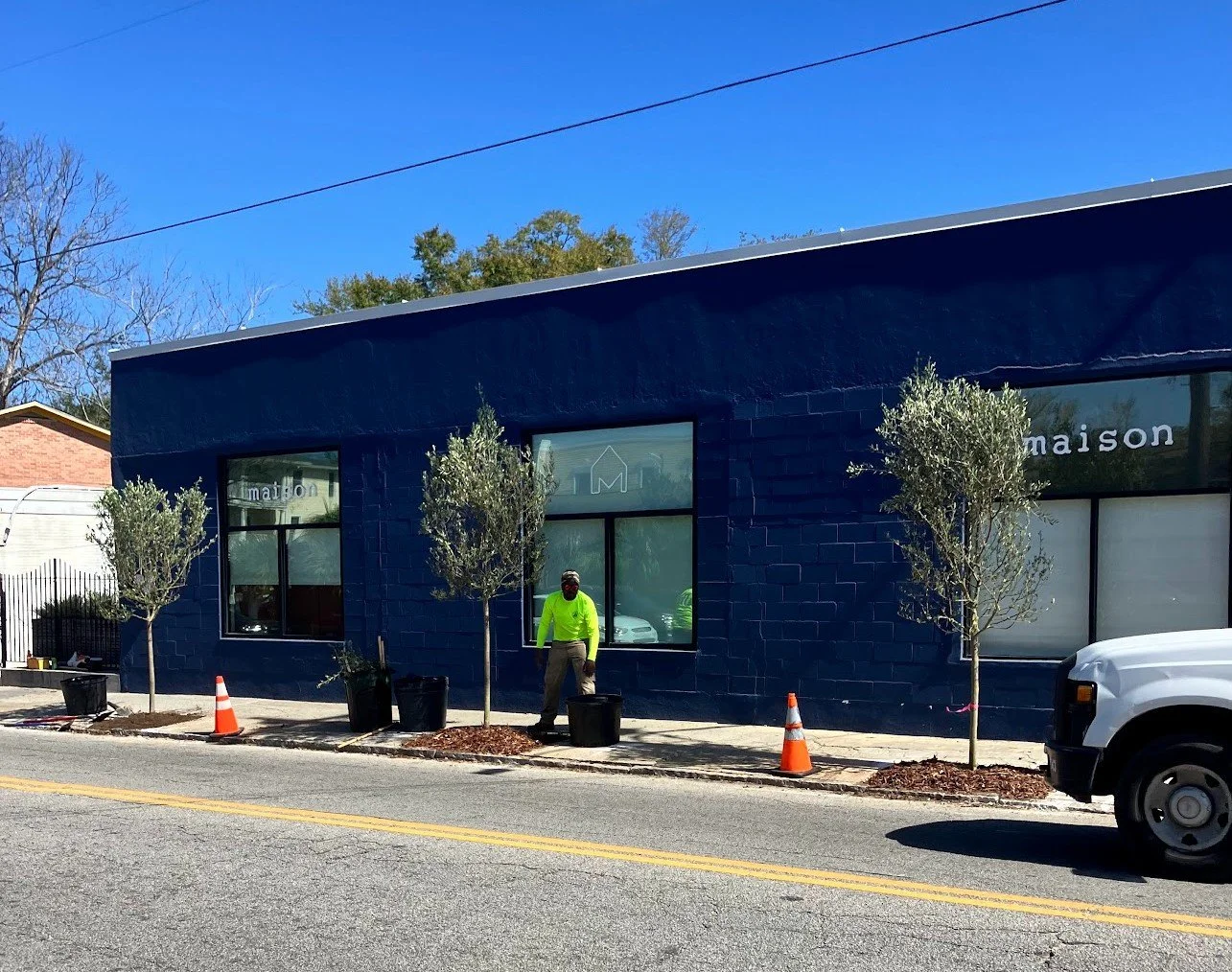
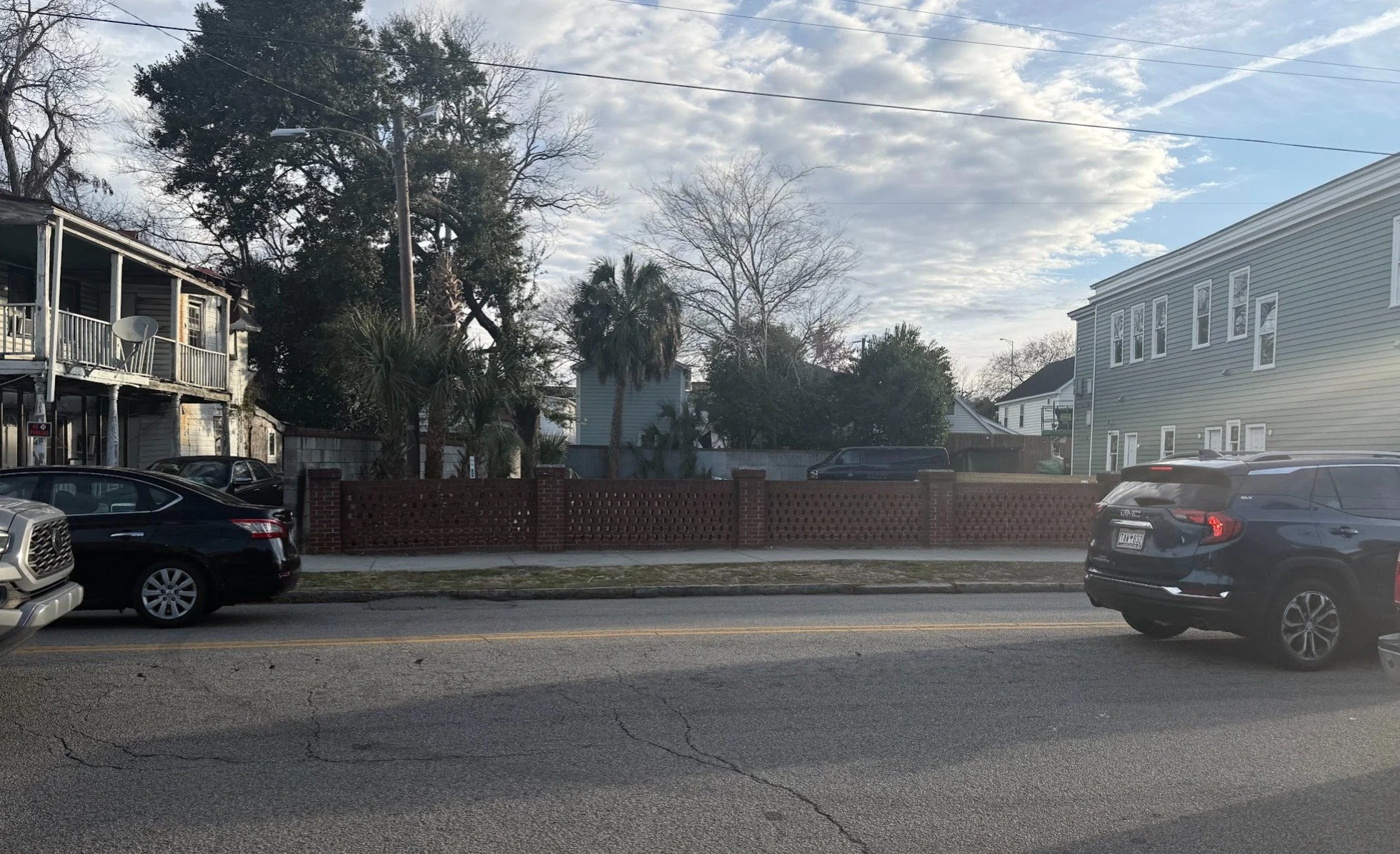
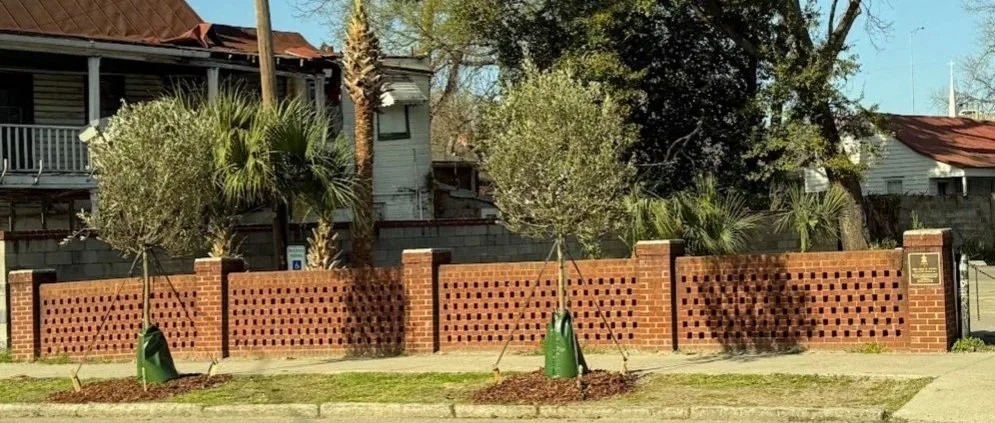
Westside King Street Legacy Tree Project
14 Trees Installed by The City of Charleston Urban Forestry
$4,130 Donated by Small Business Owners
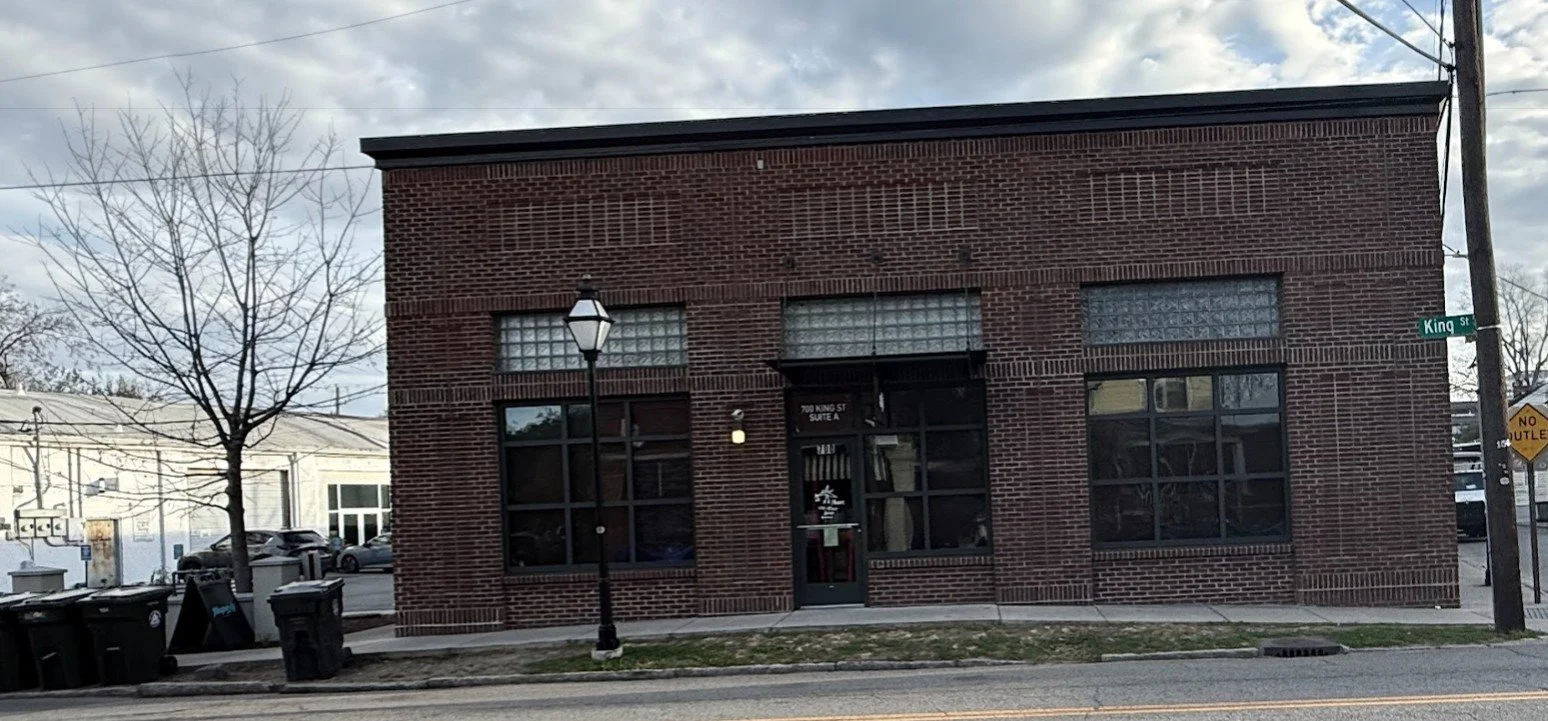
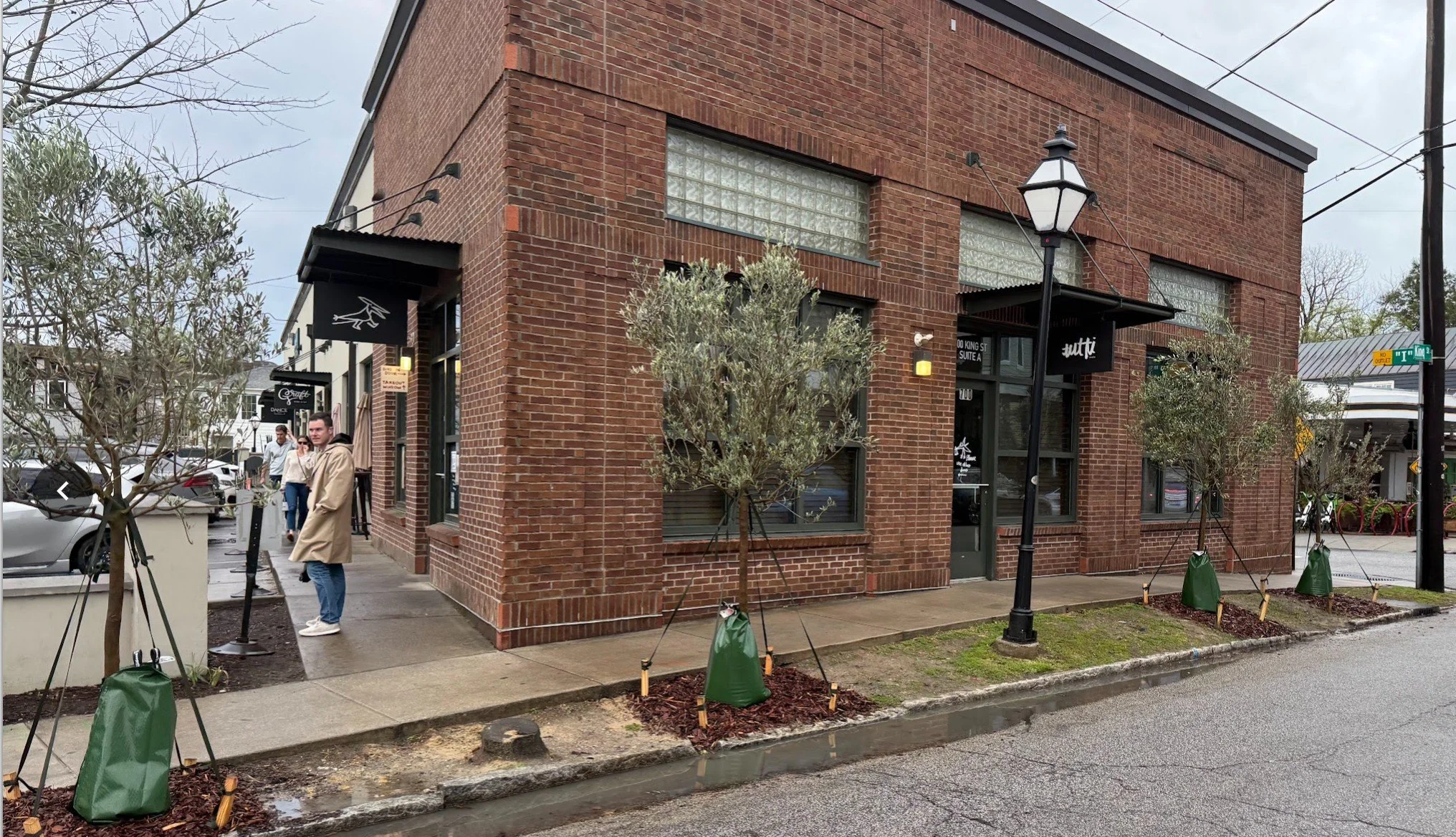
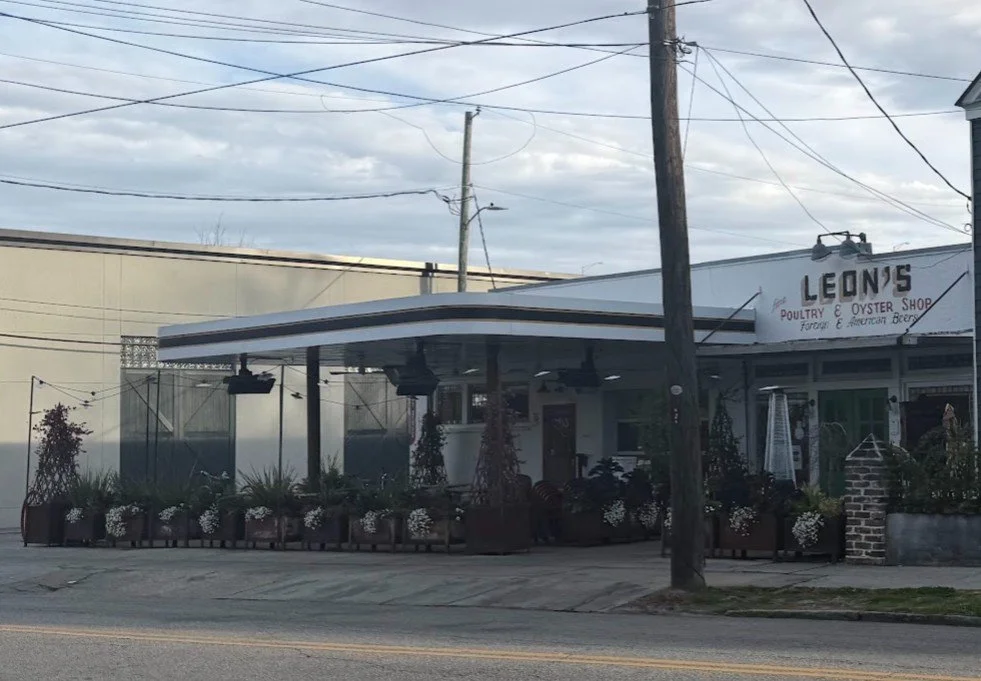
20 Hours of Meetings and Communications by Westside Neighborhood Association
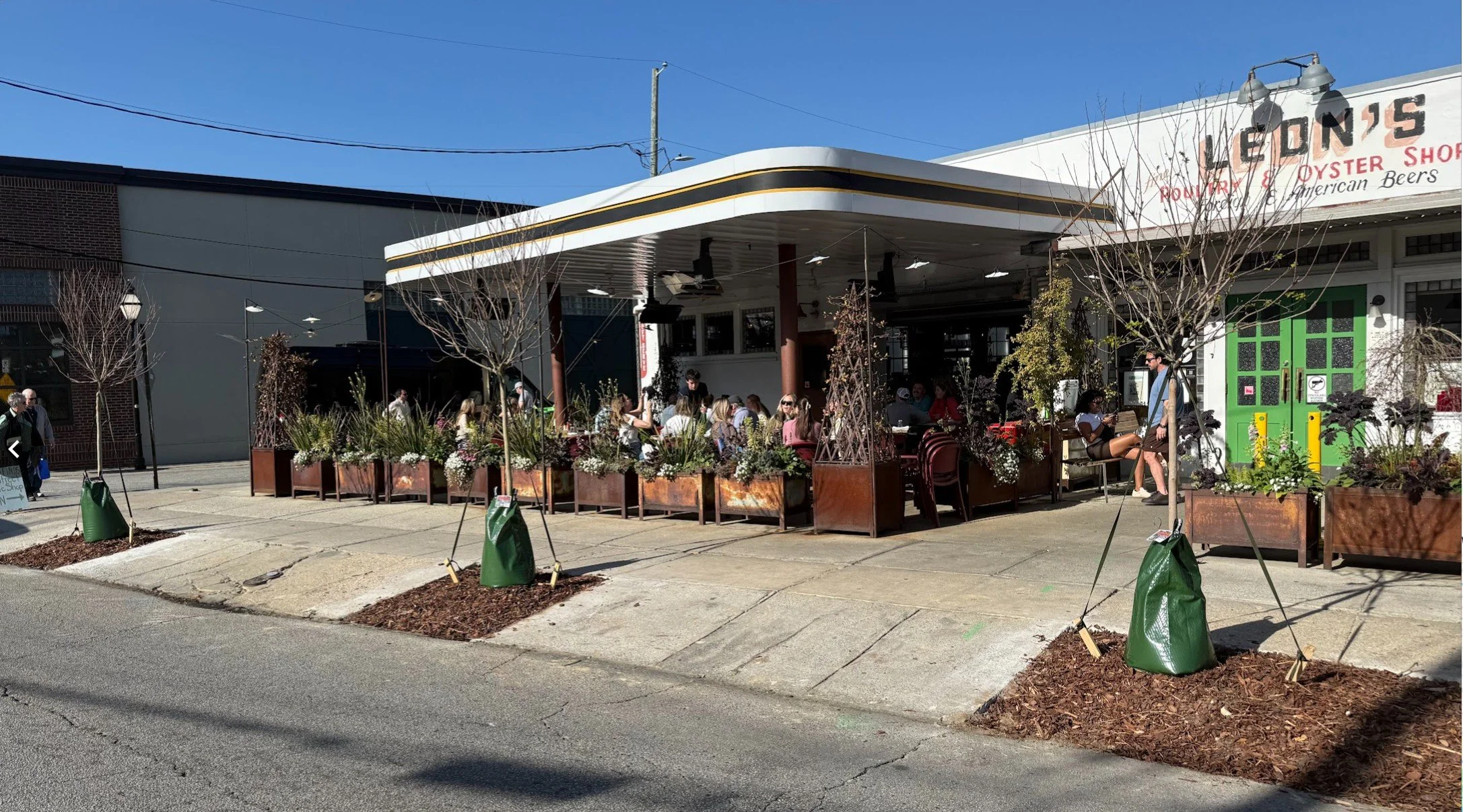
8 Sidewalk Tree Wells Cut by the City of Charleston Sidewalks Division
How to Purchase or Donate a Tree
Email the Westside Neighborhood Association to request a Legacy Tree for $295. This includes installation and one year of watering and maintenance by the City of Charleston.
For every two trees purchased, a third tree will be installed at no cost in Westside. This tree will be placed in a high-impact location of your choosing if your property does not have space.
Before installation, property owner approval is required to ensure the tree will not be removed. Upon request, someone can assess your property to determine if a tree can be installed and recommend the appropriate species.
Planting season runs from November 1 to March 1. Trees will be installed in late fall or early spring to support healthy establishment.
All requests are submitted to Urban Forestry for review and coordination.
Available Tree Wells in Westside
(Red Outlined Dots)
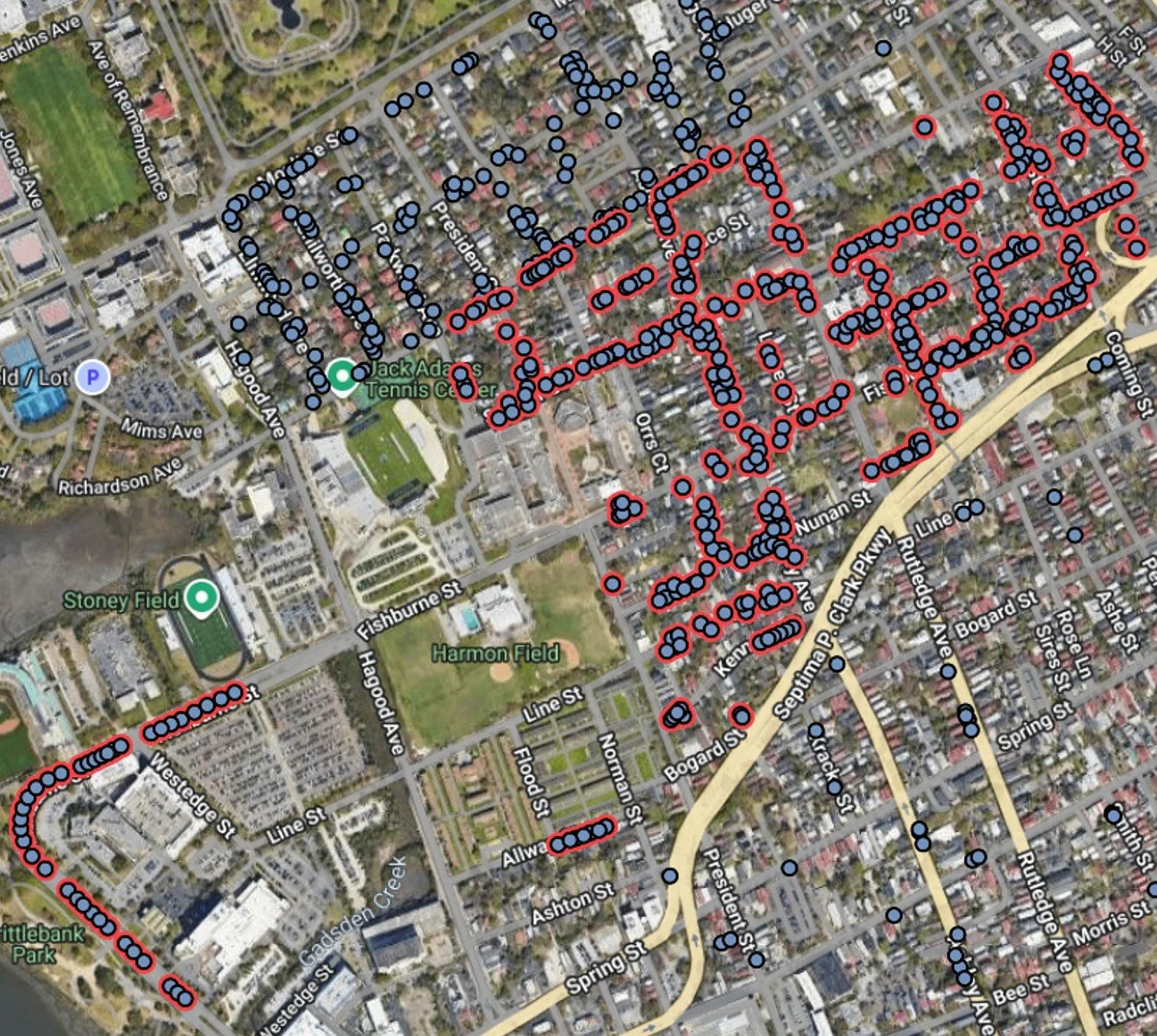
How do we know where we need trees in Westside?
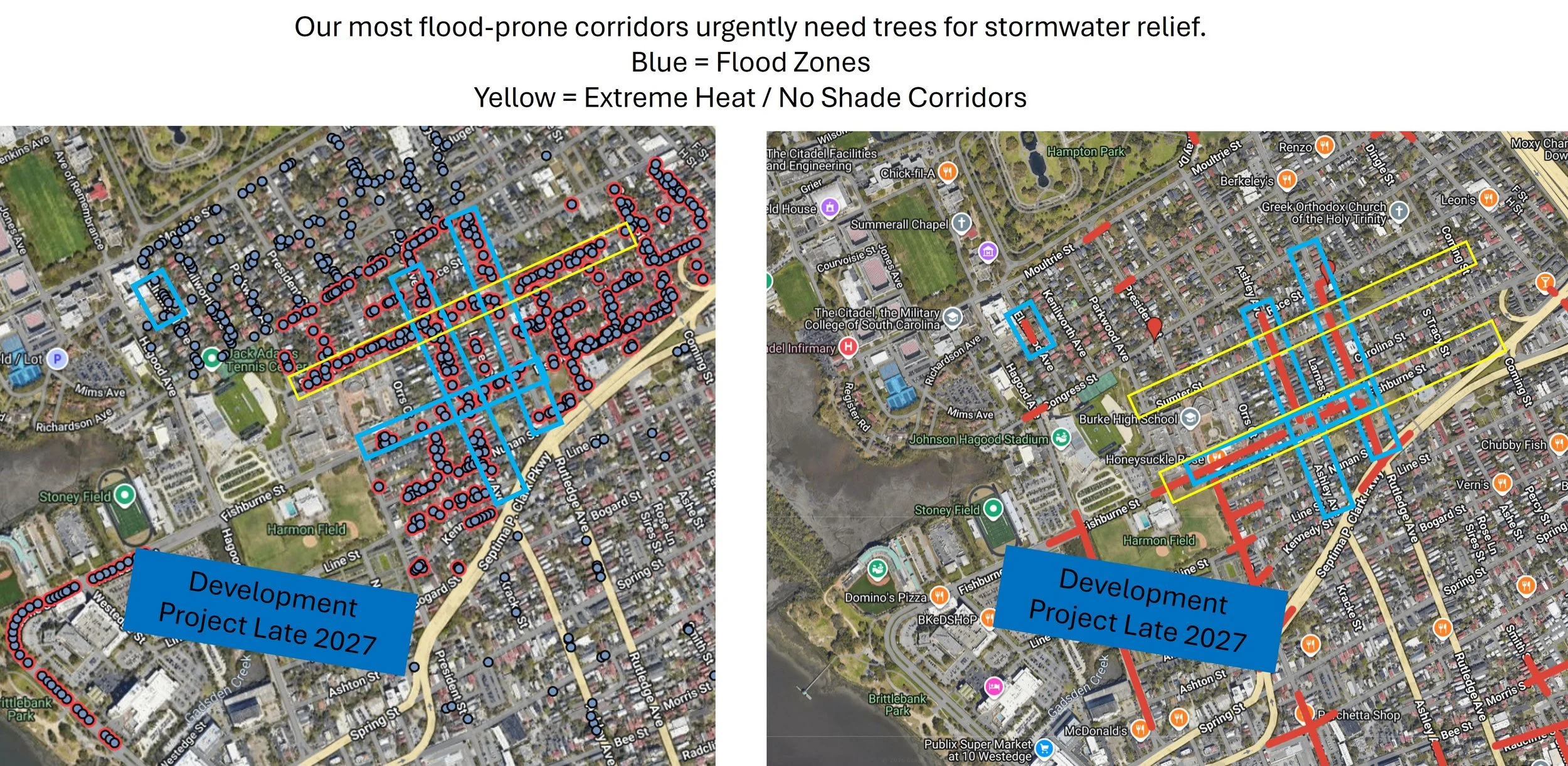
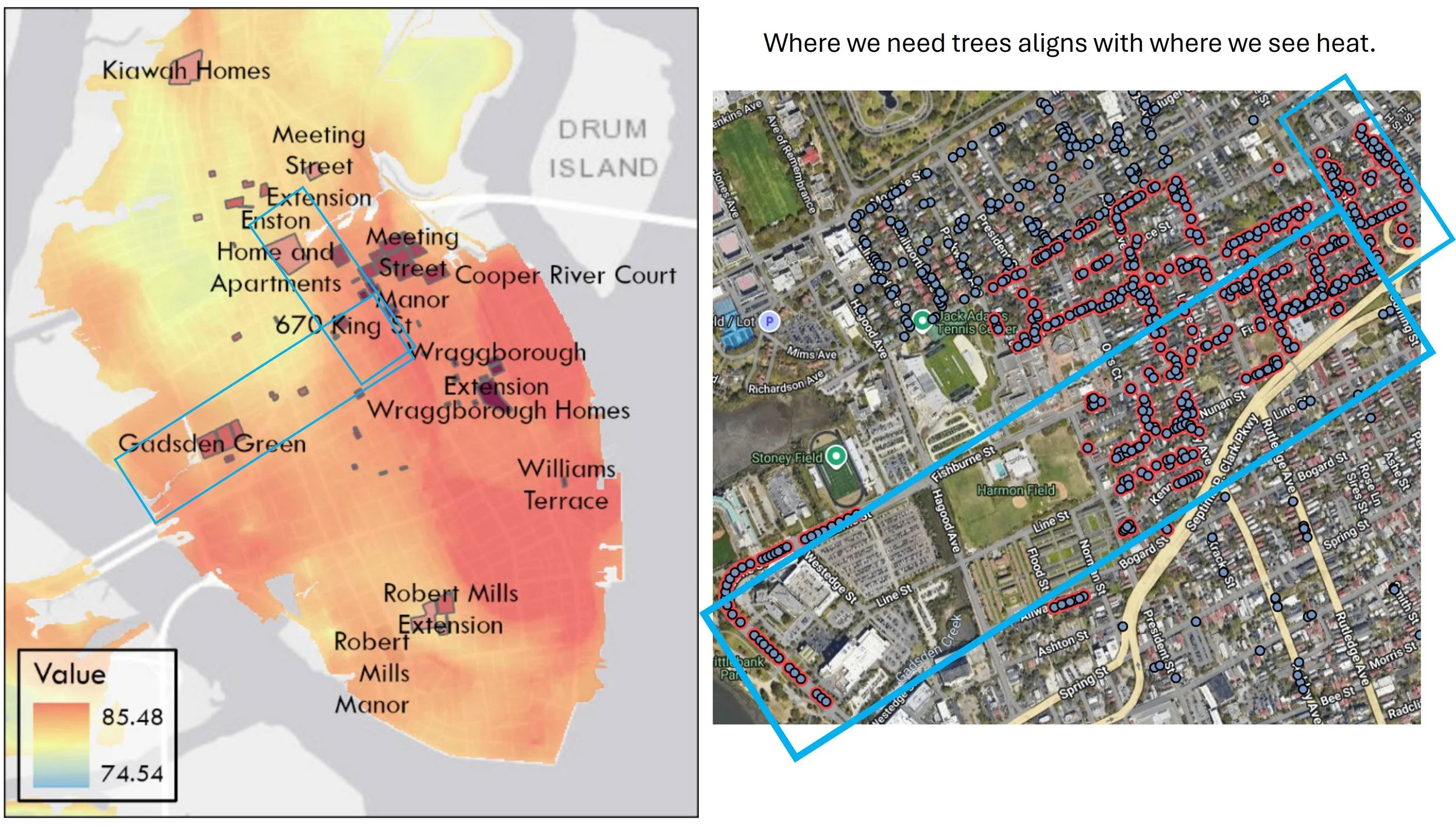
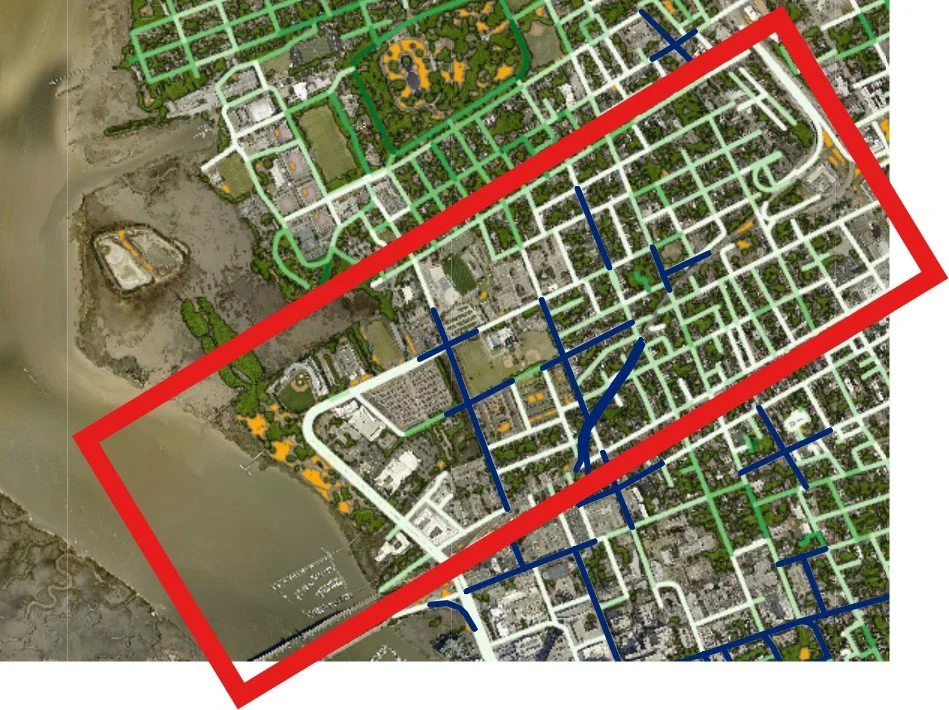
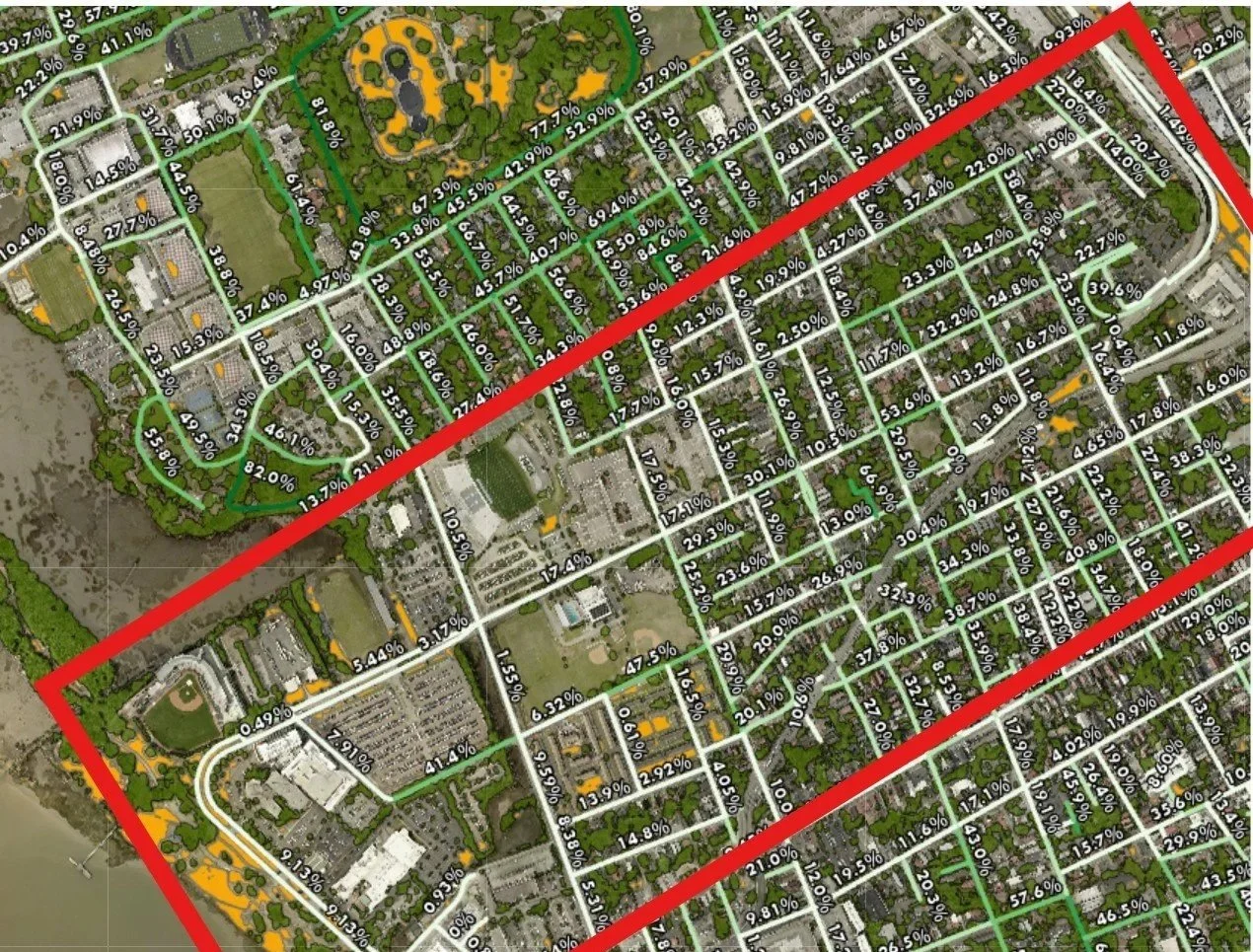
Why plant in Westside? Why now?
Ready Planting Infrastructure
Westside is already participating in the City’s legacy tree program and actively collaborating with Urban Forestry. Detailed planting maps already exist. This ready infrastructure allows rapid deployment of new trees with minimal planning delay.
Highest Walking Commuter Rate
Westside has one of the highest non-car commuting rates in Charleston, with 40% of residents not using a car to commute, compared to 25% citywide. These commuters could see a reduction in sidewalk temperatures by 10 ℉ to 25 ℉. This will bring relief from the heat to the people who need it most in their daily lives
Rapid Population Growth
Westside alone is expected to add approximately 1,800 new housing units over the next five years. This will bring in more residents who will rely on shaded, walkable streets for daily travel.
MUSC Expansion will Surge Upper Peninsula Housing Need
MUSC is expanding significantly, with 17 new buildings and a national cancer center planned adjacent to Westside, which will bring a continued influx of hospital staff, employees, and students who already comprise a disproportionate share of Upper Peninsula residents.
Traffic Safety Improvements
Meetings with the Department of Traffic and Transportation and Charleston Moves have shown that there is very little funding for traffic-calming. The City’s Safety Action Plan demonstrated that many of our main commuting arteries are High Injury Network streets for both pedestrians and cars. Research shows that street trees can reduce vehicle speeds by up to 8 MPH.
Stormwater Absorption
A single tree can absorb an estimated 1,000 to 3,000 gallons of stormwater per year. If Westside were to plant 400 trees in verge areas alone, this could offset approximately 400,000 to 1.2 million gallons of stormwater runoff annually. For the calculation below, a midpoint estimate of 2,000 gallons per tree is used.