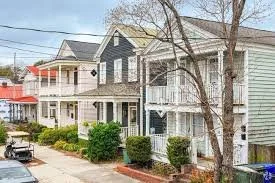
Housing Resources
Westside is a vibrant, evolving neighborhood that blends a younger, dynamic population with long-time residents who were born and raised here and continue to carry forward its rich history and culture. With a median age of 31, the community reflects a strong presence of young professionals, medical professionals and staff (walking distance to all hospitals on the peninsula), graduate students, and service industry workers. The population skews slightly female (55.8% female, 44.3% male), contributing to a diverse and engaged neighborhood fabric.
Children under age 15 make up 11.3% of the population (compared to 15–17% citywide), families with young children are on the rise. Particularly with the announcement of the Peninsula Promise.
36.8% of households are family households
63.2% are non-family households, often individuals or roommates
The average household size is approximately 2 people
Housing patterns reinforce this character:
35% of units are owner-occupied
65% are renter-occupied
Approximately 20% of homes are vacant, often reflecting turnover or ongoing redevelopment
Structurally, the neighborhood is mixed:
35.2% single-family detached homes
A significant portion of duplexes and small multi-unit buildings
14.3% a very small % of larger buildings (50+ units)
Housing Stock and Demographic Overview
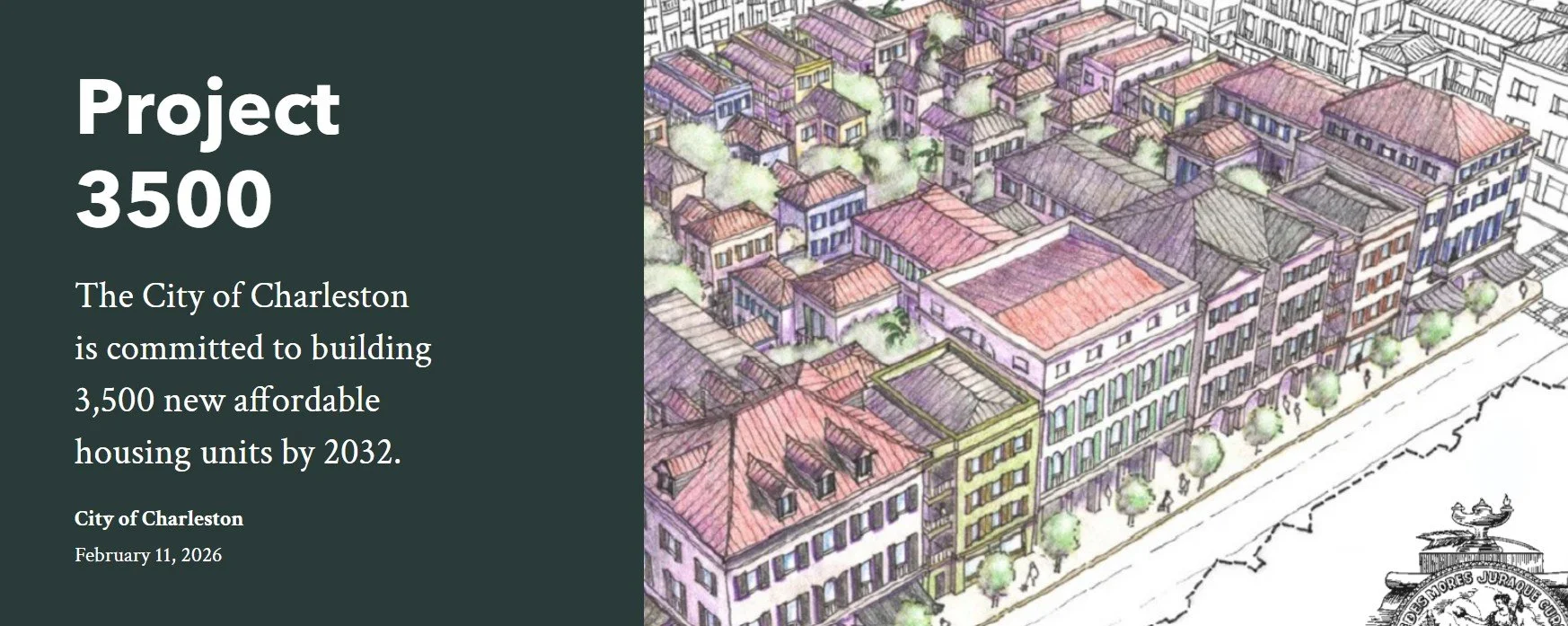
Charleston City Project 3500 Overview
The City of Charleston is committed to building diverse and thriving communities. To ensure that the city remains a home for everyone, the City has launched a comprehensive housing strategy with a bold target: creating 3,500 new affordable housing units by 2032. This effort is driven through a strategic partnership between the City of Charleston and major public-private organizations.
How does Project 3500 impact Westside? What are we actively advocating for?
Build First Promise to ensure residents can move from their current home to their future home without unnecessary moving costs or temporary displacement
Prevent permanent displacement of Gadsden Green Homes residents, allowing the opportunity to rent the same capacity housing unit for the same price as their current unit (adjusted for inflation).
Parking solutions
Require developers to install trees in one of the hottest and most flood-prone areas on the peninsula, where increased canopy will deliver measurable benefits for heat reduction and stormwater management. Plans to prevent flooding of existing lower-level homes.
Provide information on flood mitigation and stormwater studies before breaking ground
Strong pedestrian safety improvements, particularly at Septima P Clark Crossings, from the new workforce housing for employees walking to work.
LowLine Housing
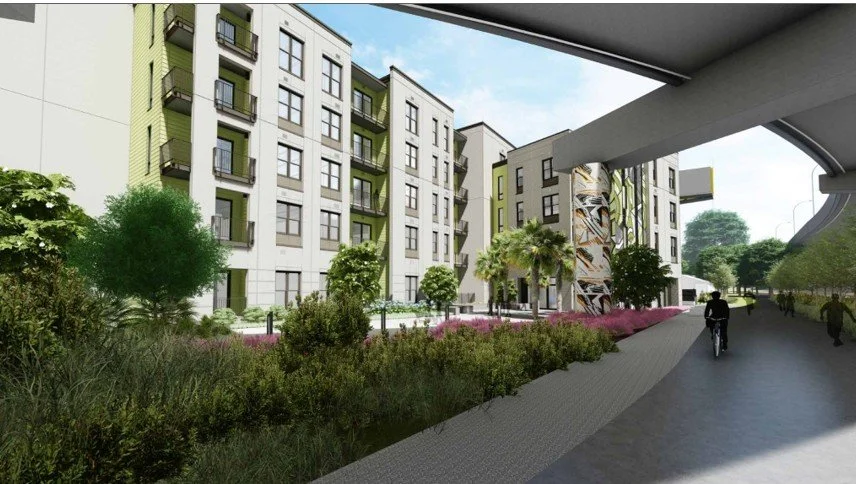
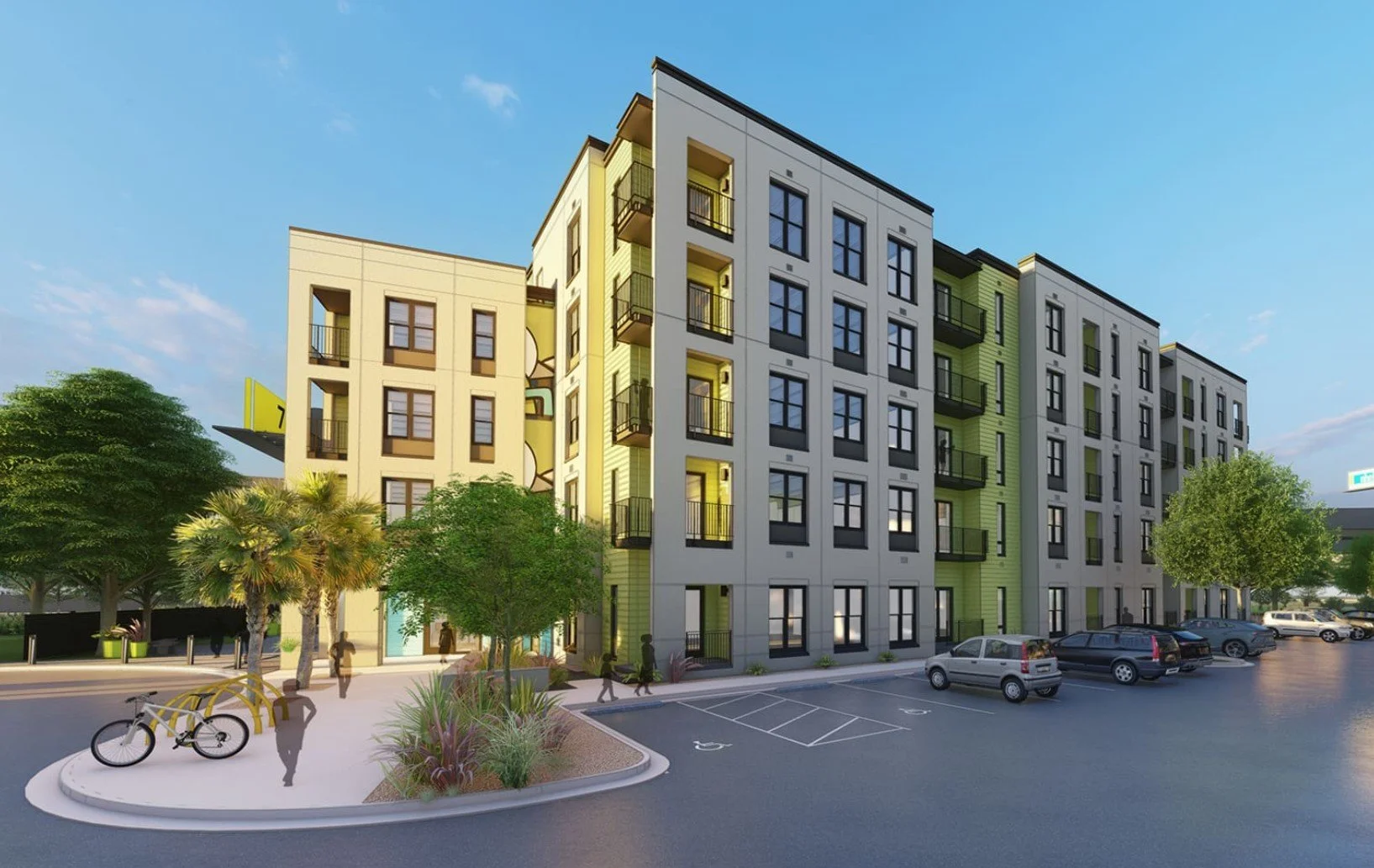
Project Overview
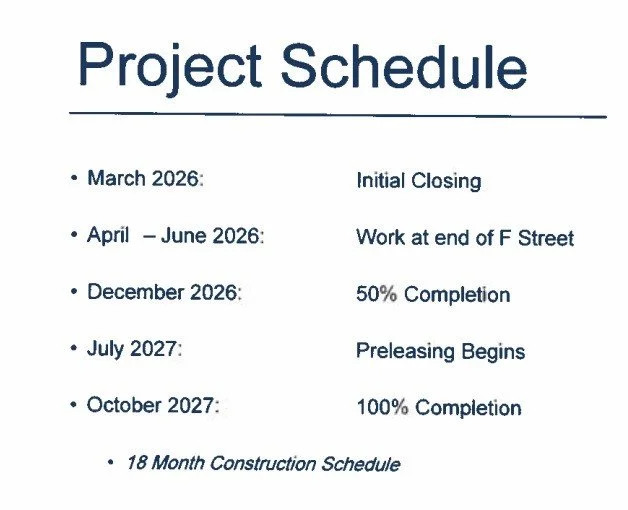
The Lowline Affordable Housing Development is a public-private partnership located at 678 King Street in Charleston. It includes collaboration between the City of Charleston, NHE, the Housing Authority, and SCDOT, with an investment exceeding $30 million.
Key Details
• 55 rental homes
• Serves residents earning 30%–80% of Area Median Income ($23K–$62K for a one-person household)
• Unit types range from studios to three-bedroom apartments
• Supports both affordable and workforce housing needs
Community Impact
This development helps address critical housing shortages in Charleston, providing attainable housing options for a range of income levels. It contributes to economic diversity, workforce stability, and long-term community sustainability.
New Construction and Renovations
Understanding Historic Preservation in Charleston’s Westside
The Westside includes two zoning areas with different levels of historic review: Historic Materials Demolition Purview and Historic Corridor District. Before beginning any project, please check the official zoning map to confirm which regulations apply to your property.
What is the Board of Architectural Review?
The Board of Architectural Review (BAR) is a City of Charleston body that oversees changes to buildings in historic areas. The BAR was established in 1931 with the creation of the first preservation ordinance in the United States. As stated in the City of Charleston Zoning Ordinance, the purpose of the board is "the preservation and protection of the old historic or architecturally worthy structures and quaint neighborhoods which impart a distinct aspect to the city and which serve as visible reminders of the historical and cultural heritage of the city, the state, and the nation."
Its purpose is to:
Protect Charleston’s historic character
Review new construction, demolitions, and major exterior changes
Ensure projects align with the city’s preservation standards
Westside Architecture & Historic Homes
What you see today reflects over 150 years of Charleston history. The Westside’s architecture reflects a working-class Charleston neighborhood built primarily between the late 1800s and early 1900s, with a mix of modest vernacular styles including shotgun houses, small Charleston singles, and early duplexes. Most notably, the neighborhood is home to many of the last 106 Freedman’s Cottages left on the Upper Peninsula. These homes were simple, narrow homes built by formerly enslaved individuals after the Civil War. These cottages are among the most important and rare historic resources in Charleston, representing both the cultural origins of Westside and a vital piece of the city’s African American history.
How to get started on the BAR process:
Three major groups comment on, visit sites with BAR, and attend board review meetings to speak in support of or opposition to requests.
Neighborhood Association Review
Please contact the Westside Neighborhood Association to briefly present your architectural plans and photos. The neighborhood will vote to support or oppose the proposal, and a letter will be submitted to BAR, along with potential in-person comments.Please allow at least one month’s notice, as meetings are held monthly (4th week of each month).
Preservation Society
For over 100 years, preservation in Charleston has focused on education, advocacy, and community-driven decisions to protect the city’s character and quality of life. Charleston continues to grow and evolve. Preservation today means honoring history while supporting the needs of current residents and ensuring thoughtful progress. Contact the Preservation Society before applying for BAR review to request a consultation: Contact Preservation Society.Historic Charleston Foundation
For 75 years, the Historic Charleston Foundation has worked to protect Charleston’s historic places while supporting resilient, sustainable, and vibrant communities through preservation, advocacy, and thoughtful growth initiatives, including programs that promote affordability and long-term community stability. They can be contacted here.
Other helpful resources and links:
Charleston Standards
Board of Architectural Review: Policy Statement Charleston Standards
BAR Applications
Resources
National Park Service/Secretary of the Interior - technical preservation services and standards, information, tax incentives, and publications.
All other resources visit: https://www.charleston-sc.gov/293/Board-of-Architectural-Review-BAR-L-BAR-